
Change region or lenguage
An older female doctor points to charts on a desk during a consultation with a younger female patient.

navify® Algorithms, LiverPRO by Evido and ADAPT by Evidencio

LiverPRO assesses the likelihood of liver fibrosis in adults at risk of steatotic liver disease.¹ LiverPRO may be followed by ADAPT2 to assess the severity of hepatic fibrosis in patients showing evidence or signs of MASLD.3

Overview

Clinical algorithms to support earlier timely steatotic liver disease triage and fibrosis severity assessment

Metabolic dysfunction-associated steatotic liver disease (MASLD) affects nearly 1 in 3 people4 and is a leading cause of liver-related mortality.2 In addition, recent findings indicate that due to underreporting metabolic alcohol-related liver disease (MetALD) and alcohol-related liver disease (ALD) within steatotic liver disease populations is about twice as high than previously estimated. Advanced fibrosis due to MASLD and MetALD/ALD have both a silent progression, high prevalence and undiagnosed cases.5 LiverPRO is intended for use for both MASLD and MetALD/ALD in adults at risk of SLD. LiverPRO is recognized in 2026 EASL SLD guidance as an alternative to FIB-4.6

Diagram ilustrating main stages of liver disease progression from normal to cirrhosis

Global prevalence at 38% and increasing4

MASLD continues to represent the most significant patient group affected by liver fibrosis globally.

MetALD/ALD prevalence approximately doubled7

Recent evidence from 2025 reveals significant underreporting and misclassification arising from inaccurate patient self-reporting.

Annual medical costs near €35 billion8

The economic impact of MASLD is extensive, with costs rising sharply as the disease advances.

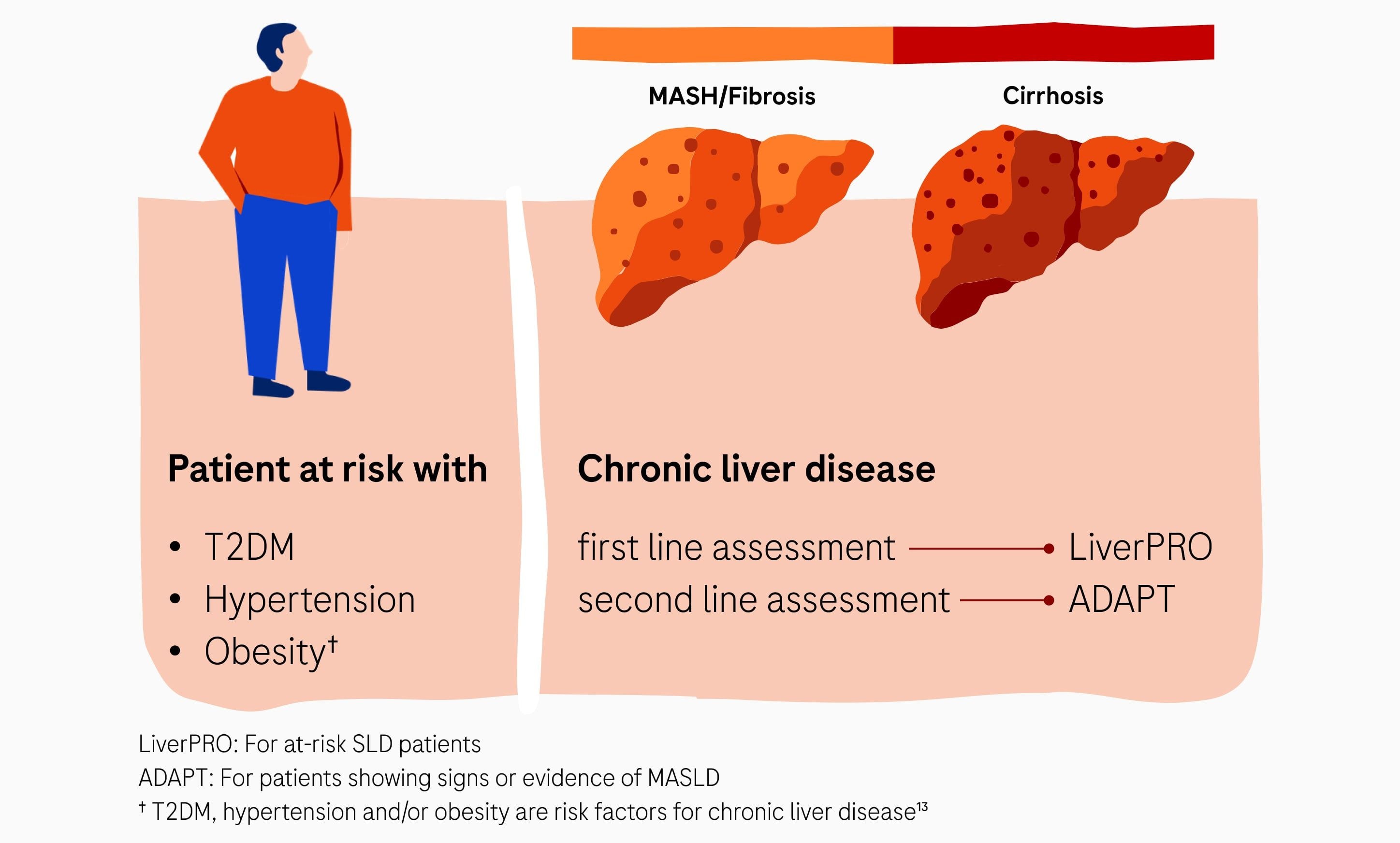
An infographic illustrating that patients with type 2 diabetes, hypertension, or obesity are at risk for chronic liver disease and outlining a screening process.
How it works

Assess your patient’s risk before liver fibrosis advances

LiverPRO is designed for use as a first-line assessment1, followed by a second-line assessment, such as ADAPT3, for patients with a LiverPRO risk score of moderate or higher.

LiverPRO

LiverPRO is designed to assess likelihood of liver fibrosis (stages F2–F4) in adults at risk for metabolic dysfunction-associated steatotic liver disease (MASLD), metabolic dysfunction- and alcohol-related liver disease (MetALD) or alcohol-associated liver disease (ALD).1

ADAPT

ADAPT assesses the severity of hepatic fibrosis in patients showing evidence or signs of metabolic dysfunction-associated steatotic liver disease (MASLD)3 and, used as a second-line assessment after LiverPRO, may decrease the false-positive rate thanks to its high specificity.10

Adjust input parameters to fit local test availability

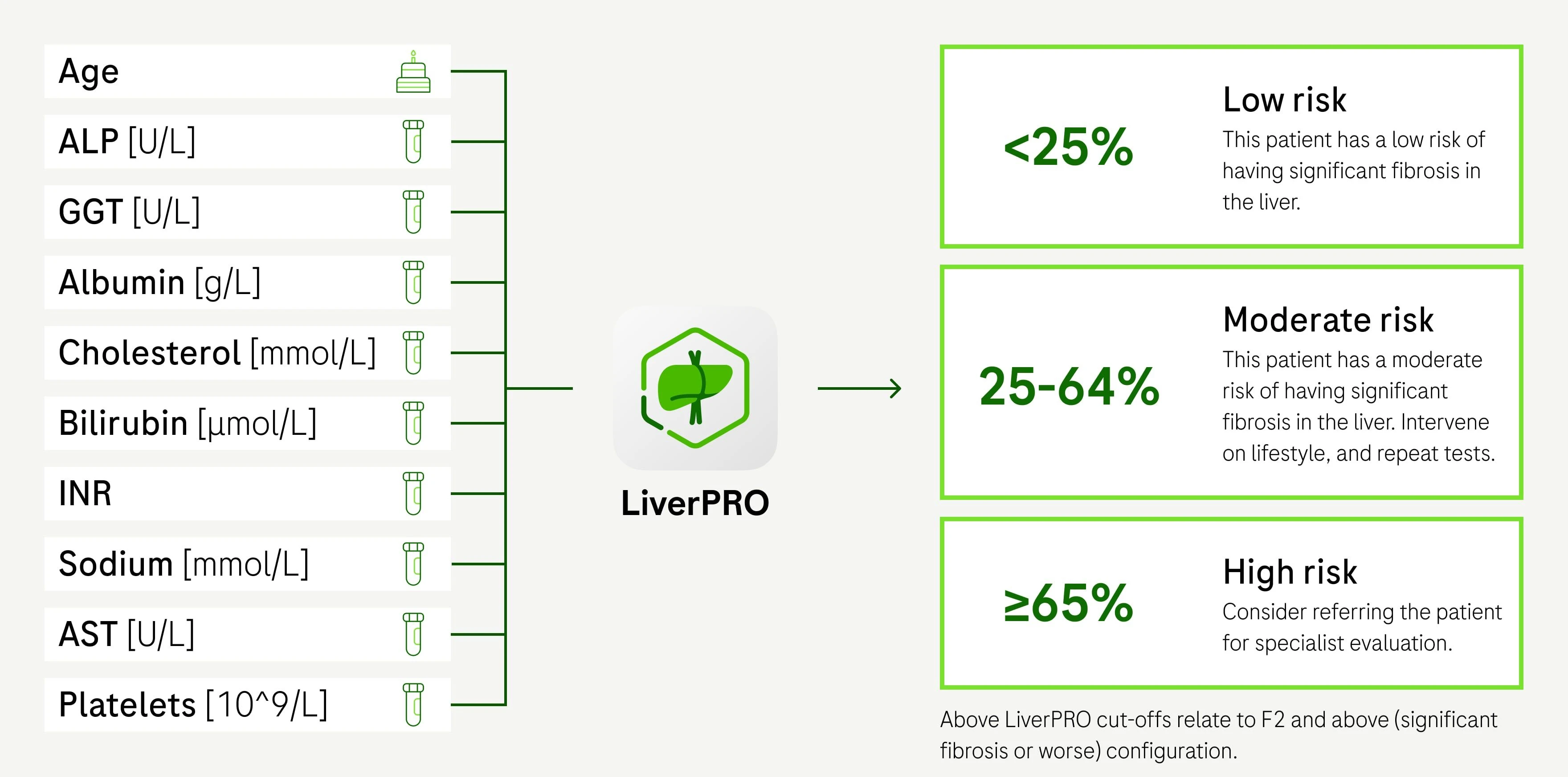
LiverPRO uses 3–9 common lab parameters and age. Input parameters can be adjusted to fit local test availability, which may help reduce the need for additional blood sampling in at-risk patients.1

A diagram illustrating the LiverPRO workflow, showing how inputs like patient age and blood lab results feed into the tool to generate a percentage risk score categorized into Low, Moderate, or High risk for significant liver fibrosis.

Interpreting the score of LiverPRO

LiverPRO delivers a score of 0–100% representing the risk of having liver fibrosis.1 The LiverPRO score is presented in three risk groups: low, moderate and high – each linked to a specific clinical recommendation.

ADAPT, as a second line assessment, reducing false positives

As a second line assessment following LiverPRO, ADAPT, a CE-marked Class C IVD* algorithm for fibrosis severity, is intended for use for patients with signs or evidence of metabolic dysfunction-associated steatotic liver disease.3

In line with MASLD guidelines ADAPT shows relative high performance in identifying MASLD with advanced fibrosis in tertiary hepatology care and in ruling out advanced fibrosis in low-risk populations.5

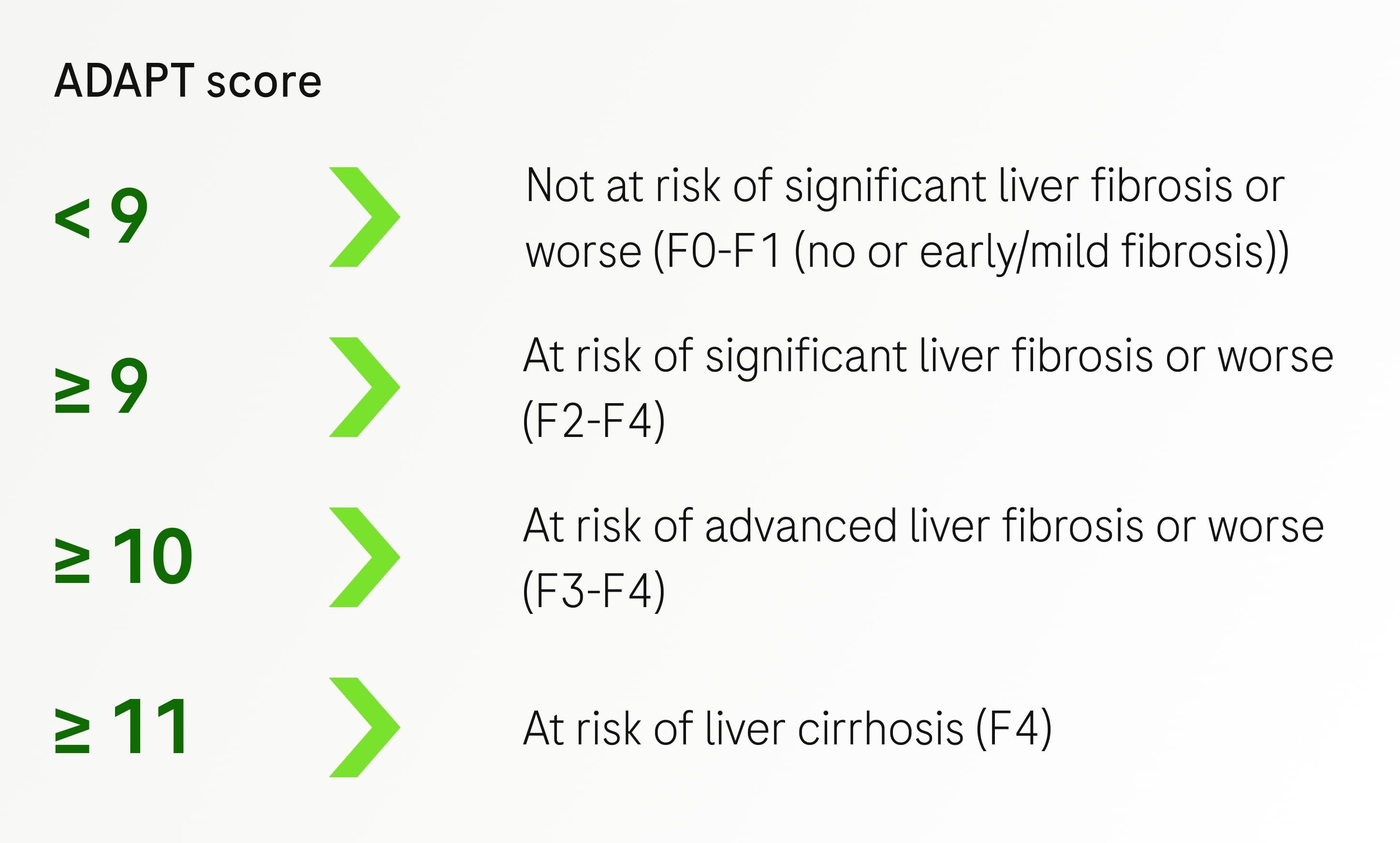
Chart showing ADAPT score thresholds and corresponding risk levels for liver fibrosis.

Interpreting the score of ADAPT

ADAPT's scoring system provides specific cutoffs for different stages of fibrosis, allowing clinicians to assess the severity of hepatic fibrosis in patients with significant fibrosis (≥F2), advanced fibrosis (≥F3) or cirrhosis (F4) and no intermediate zone.3,9

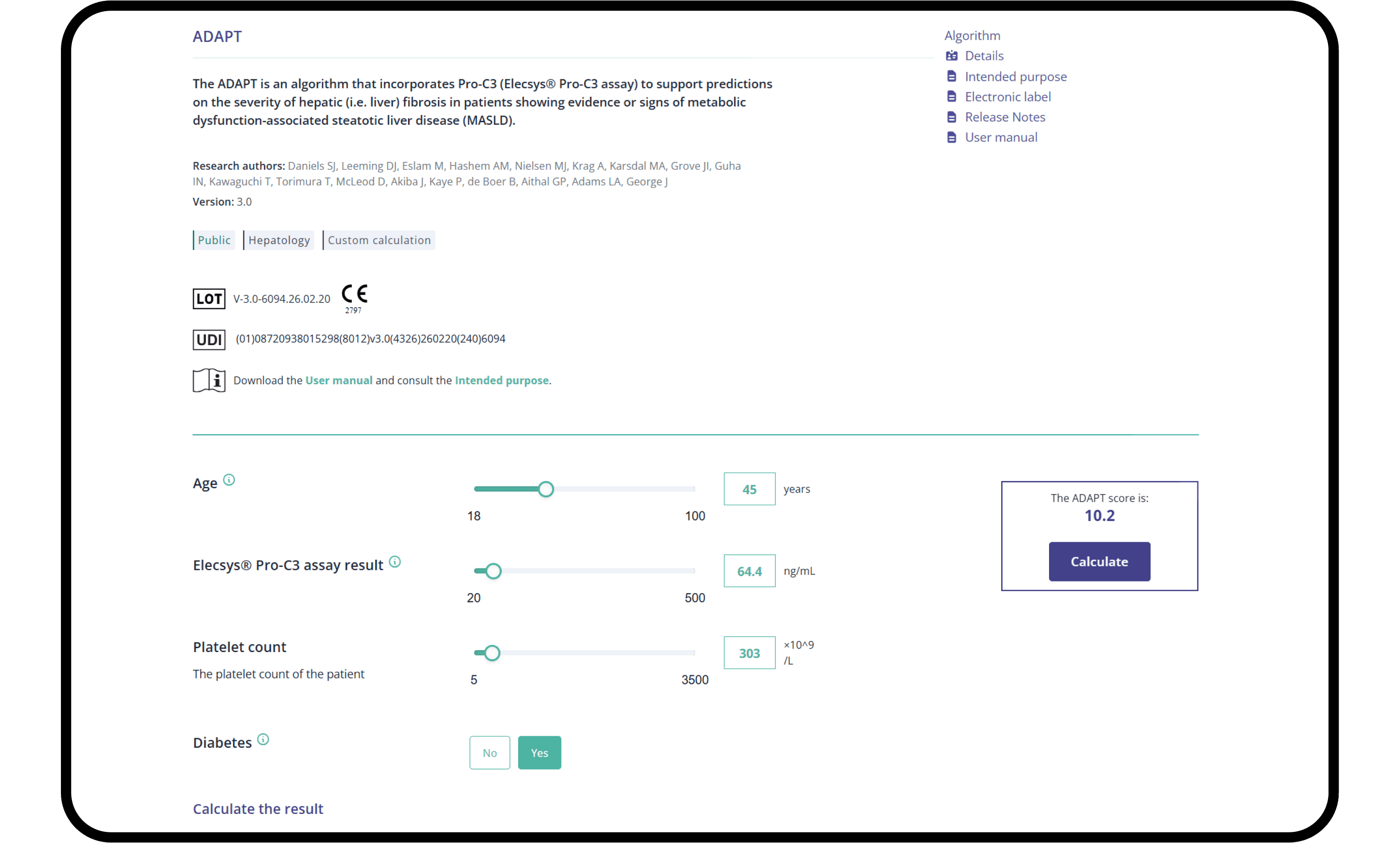
A screenshot of the ADAPT algorithm calculator displaying patient data inputs and a calculated ADAPT score of 10.2
Benefits

Optimized performance with sequential use of LiverPRO with ADAPT

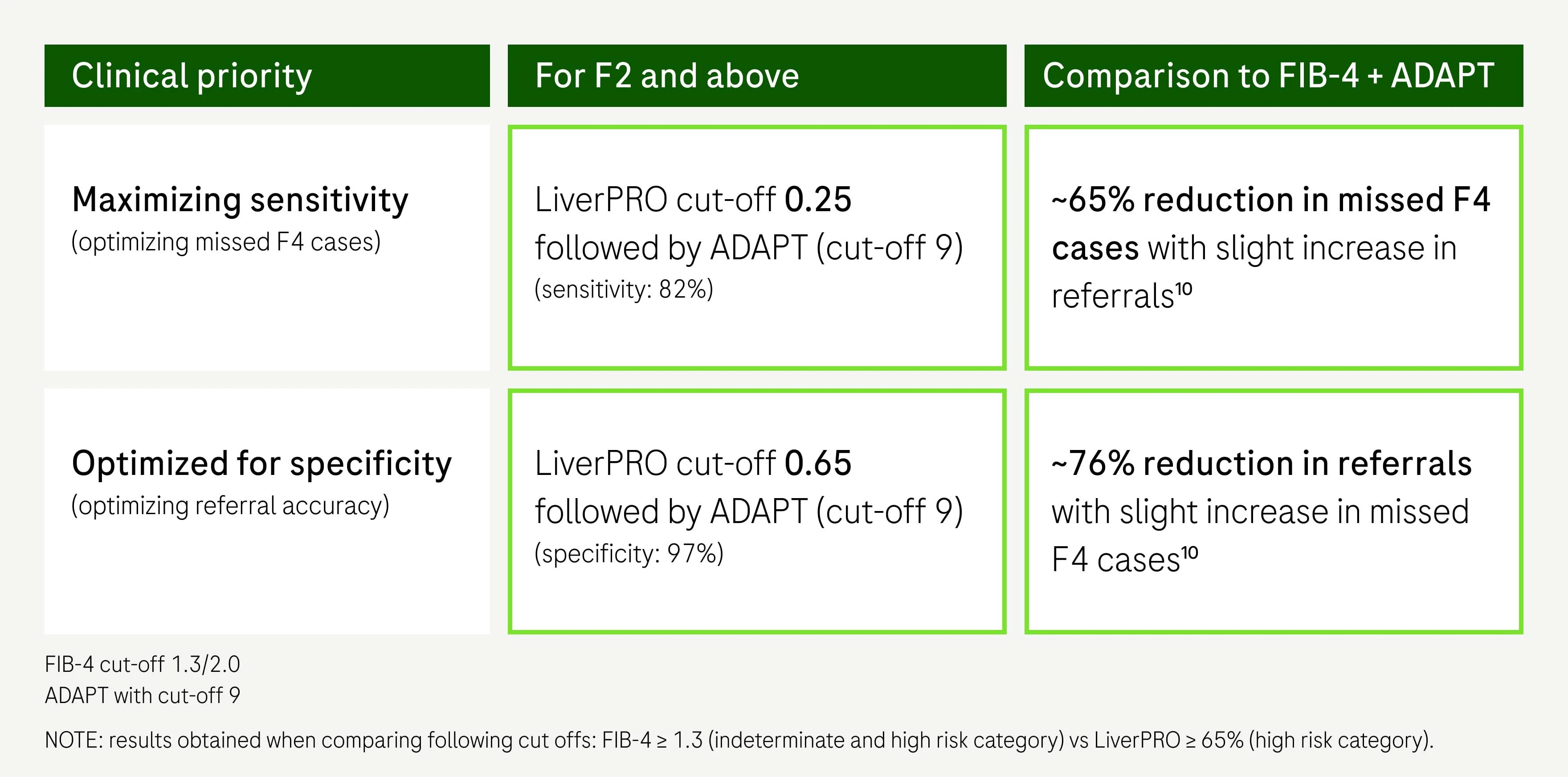
A sequential clinical approach can be adopted for liver fibrosis assessment in steatotic liver disease. LiverPRO – a CE-marked Class B IVD* tool – assesses the probability of significant liver fibrosis (stage F2+) in adults suspected of MASLD, MetALD or ALD. By combining LiverPRO sequentially with ADAPT for MASLD, clinicians can optimize specific pathways to maximize either sensitivity or specificity, unlocking a wider range of clinical applications.10

Table comparing sensitivity and specificity outcomes for LiverPRO and ADAPT diagnostic pathways.

Reduce testing costs compared to standard care

High testing specificity is the primary driver of potential testing savings compared to standard care.12

Streamlining patient throughput

By potentially reducing false positives, the ADAPT algorithm is designed to improve fibrosis diagnostic workup.9,11

Integrations

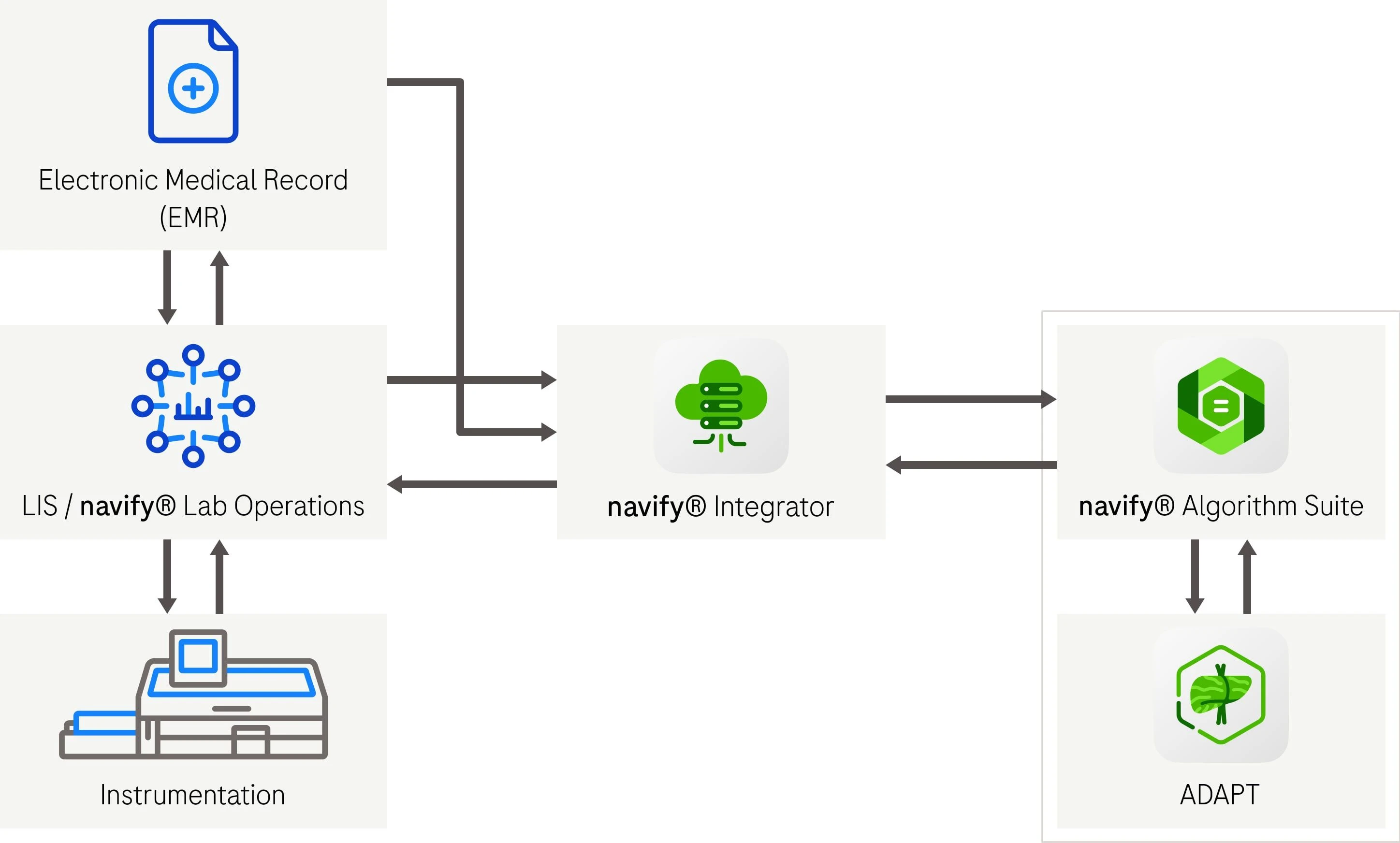
Integration via navify Algorithm Suite

Experience a single integrated platform designed for healthcare providers and laboratories that simplifies IT complexity while reducing the risk of vulnerabilities. With integrated Roche and partner medical algorithms, we provide a comprehensive solution that streamlines processes and enhances collaboration.

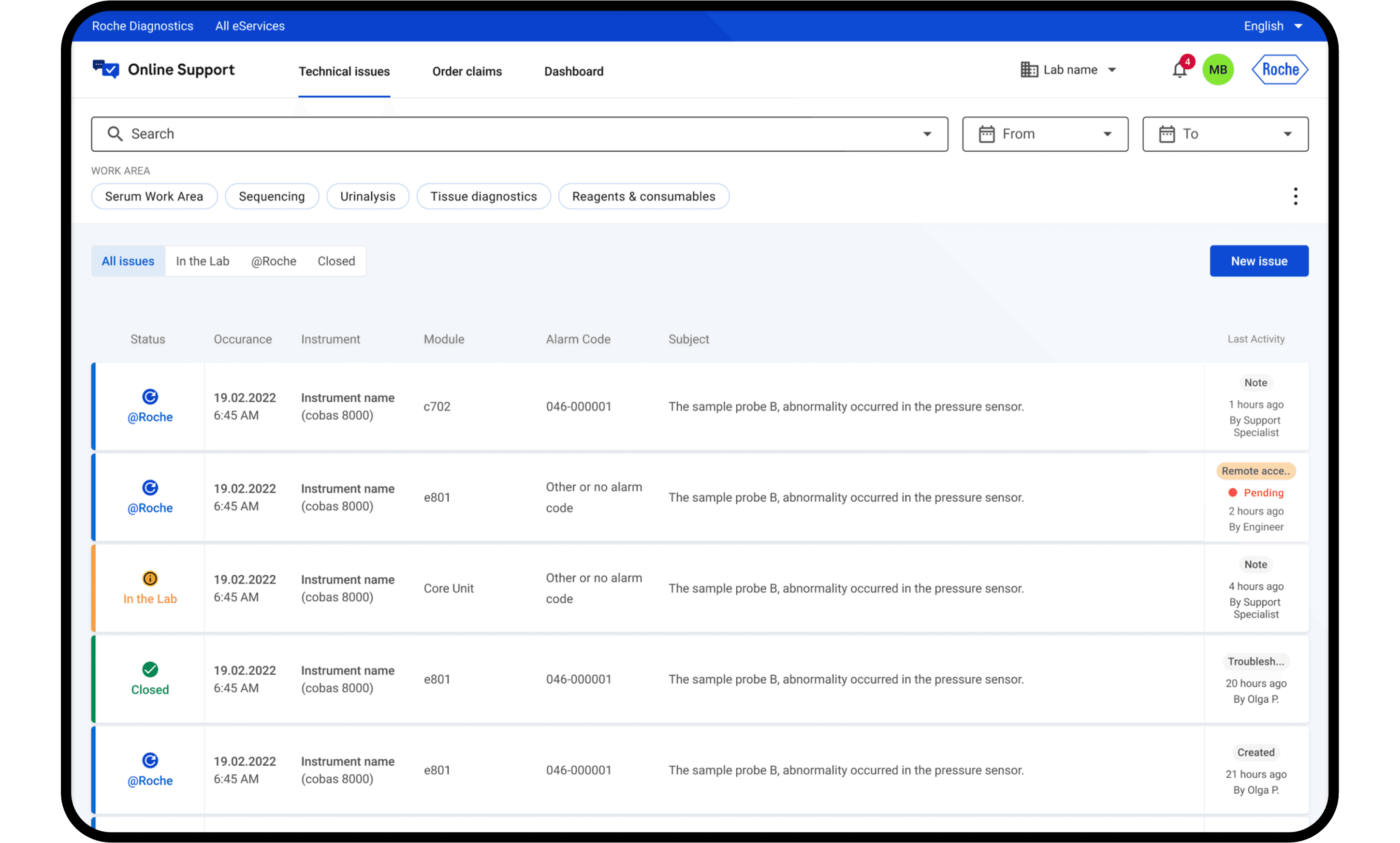
Screenshot of an online support dashboard listing technical issues for laboratory instruments.

Single point of contact for customer support

Roche offers centralized customer support for all algorithms in our portfolio to ensure consistency and reliability. We manage issues that arise for all hosted algorithms, streamlining the process and eliminating the need for customers to engage with individual providers.

Security and data privacy

Security and data privacy are central to Roche's operations, founded on a "Security and Privacy by Design" philosophy and ISO/IEC 27001 certification. Our dedicated technical team performs ongoing risk assessments, penetration tests and network monitoring to minimize IT complexity and vulnerabilities, prioritizing data confidentiality to protect patient information across all partners.

FAQs

Frequently asked questions

If you don’t find answers to your questions here, we’re happy to provide more information and discuss your needs in detail.

Roche Diagnostics

At Roche Diagnostics, we understand the need to go beyond our products and see the bigger picture, creating a world where product and services come together. Roche Service Solutions refers to our service offering and encompasses our full service portfolio. Our total solution package means we can provide you with the personalised mix of products and services you need. Our digital services enable you to quickly connect with us and help make your life more manageable.

References and notes
  1. LiverPRO user manual. LIV-P-015-IFU-1.1 Instructions for Use – EU.
  2. Chan WK, et al. Metabolic dysfunction-associated steatotic liver disease (MASLD): a state-of-the-art review. J Obes Metab Syndr. 2023;32(3):197-213. doi:10.7570/jomes23052.
  3. ADAPT User Manual. Version 2.0.
Disclaimer
  • Not every digital product is available in all markets. The use of any third-party app is subject to a separate license agreement with the respective third-party app developer. Roche gives no warranties (express or implied) with regard to any third-party app. Third-party apps might not be available in your country. This website and its content may be accessible worldwide, Roche assumes no liability with regard to the access to the information, which may not be compatible with legislations or regulations in force in your country.
  • *ADAPT is a CE-marked Class C IVD medical device (NB 2797) manufactured by Evidencio B.V. and distributed in the European Union by Roche Diagnostics GmbH. ADAPT is not intended to replace clinical decision-making; it can only provide information to the user healthcare professional on the estimation of the severity of liver fibrosis. Please note that navify algorithm ADAPT, by Evidencio can only be used with Elecsys® PRO-C3.
  • **LiverPRO is a CE-marked Class B IVD medical device (NB 2797) manufactured by Evido ApS and distributed in the European Union by Roche Diagnostics GmbH in a non-exclusive collaboration agreement.