High lung cancer burden
In the US, 229,410 new lung cancer cases and 124,990 deaths are projected for 2026.¹


A computational software designed to identify individuals who may be at higher risk of developing certain respiratory illnesses, such as lung cancer.
Overview
Lung cancer is a significant US health issue being the 2nd most frequently diagnosed cancer and the leading cause of cancer deaths.1 While breast cancer screening rates exceed 75%2, lung cancer screening in high-risk populations has seen limited improvement.3 Current screening guidelines largely exclude additional risk factors4, creating a need for population-enrichment algorithms to make screening more efficient and effective. LungFlag* is a computational software that uses clinical and electronic health record data to identify individuals at increased risk.5
In the US, 229,410 new lung cancer cases and 124,990 deaths are projected for 2026.¹
Despite the proven benefits of low-dose computed tomography (LDCT), the screening rate for lung cancer remains low, averaging at 18% in the US.3

Applying a population-enrichment algorithm allows for a high-incidence selection of individuals, focusing screening where it is needed most.5

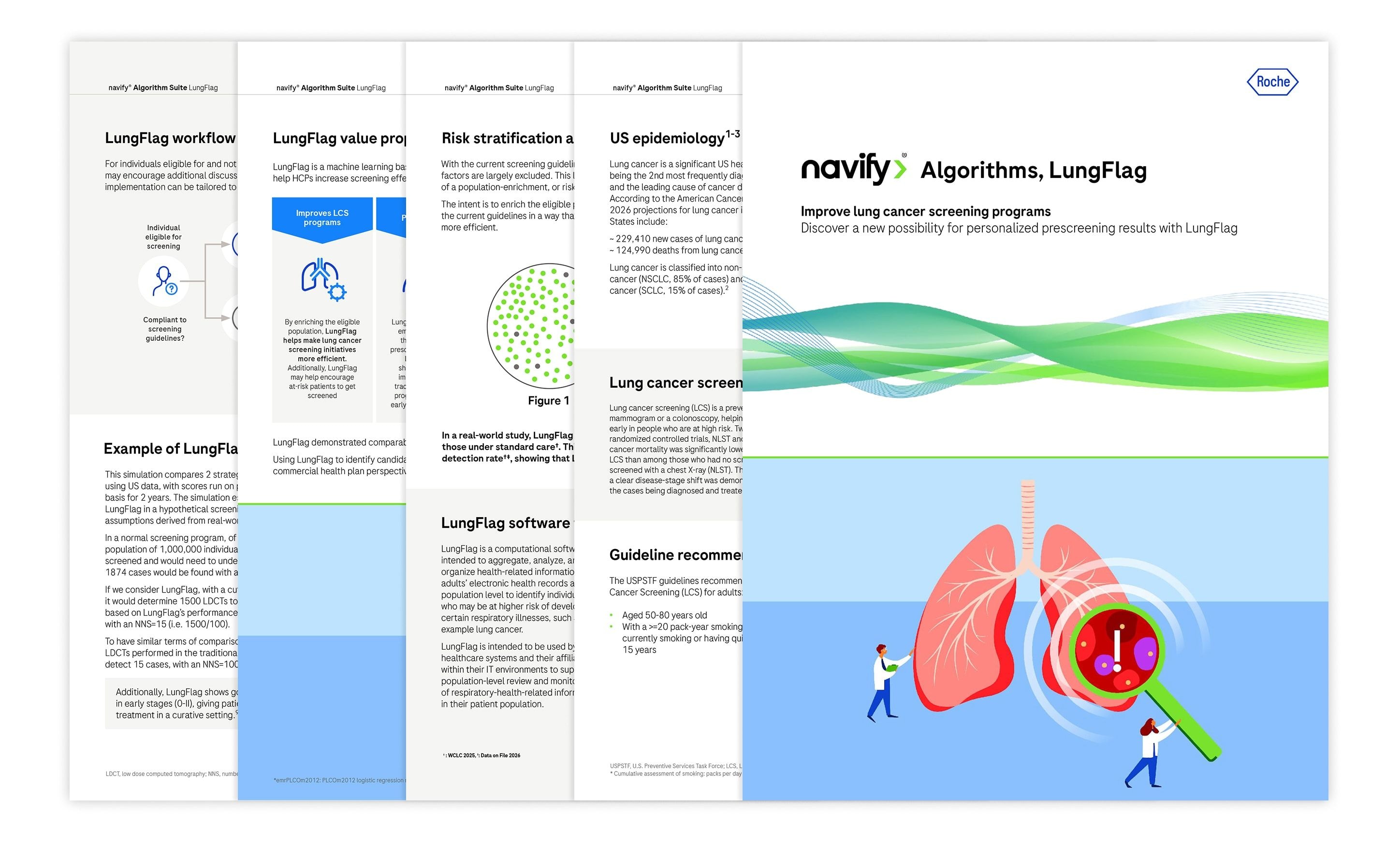
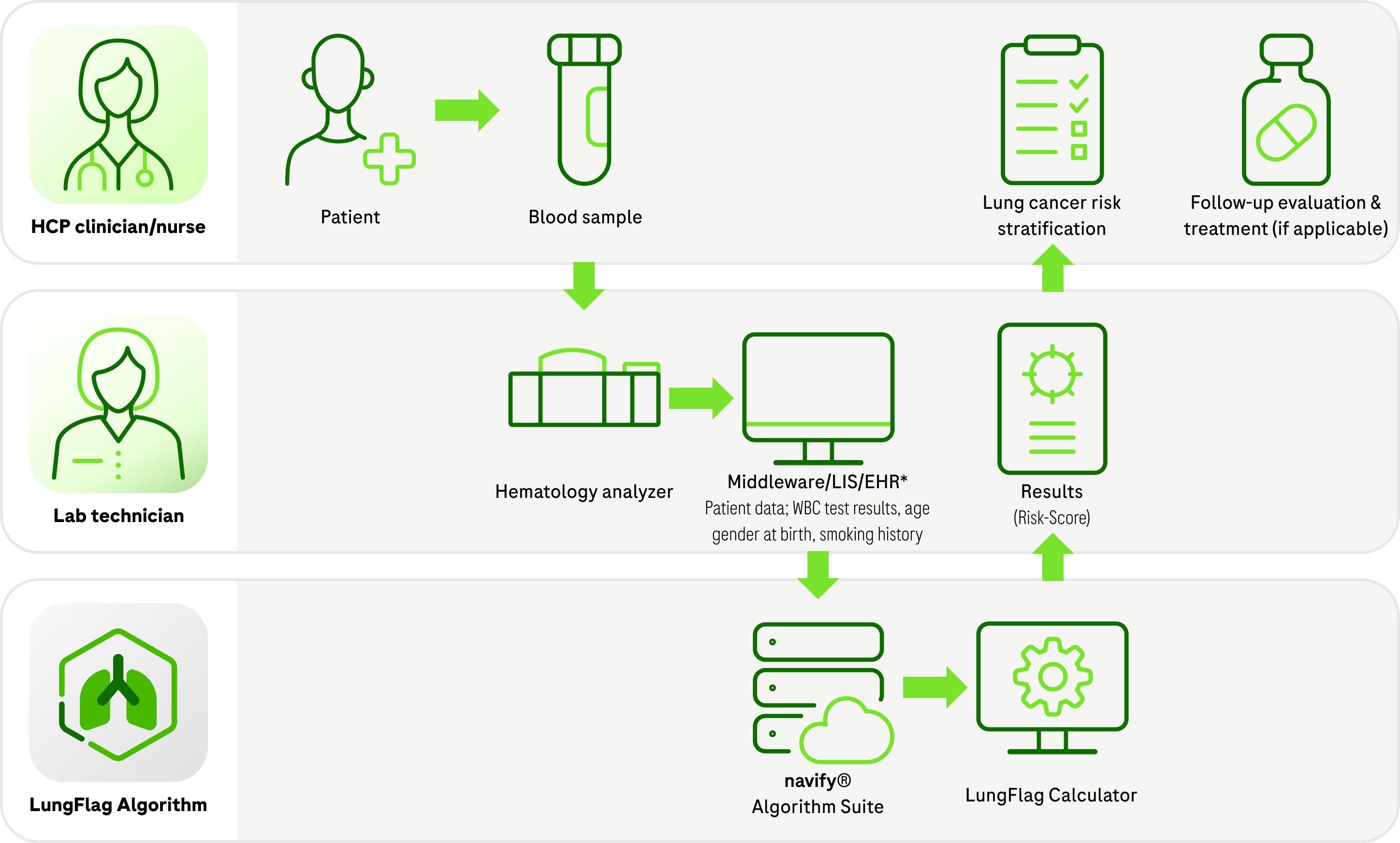
LungFlag is a computational software intended to aggregate, analyze, and organize health-related information from adults’ electronic health records at a population level to identify individuals who may be at higher risk of lung cancer. LungFlag analyzes information documented in electronic health records or collected by health care professionals, including demographics, lifestyle factors (e.g., smoking status), weight, body mass index (BMI), spirometry results, blood test results (including white blood cells and platelets) and documented information related to respiratory health.

LungFlag can be used upstream of screening protocols to identify individuals at higher risk of NSCLC and support risk-based selection.6 This approach may help focus screening resources more efficiently.
LungFlag can also be applied to individuals who are not compliant with screening guidelines, providing personalized risk information that may support discussions with a physician about screening.7

Benefits
LungFlag supports the identification of individuals at increased risk, including earlier stages of disease.5,6 LungFlag has been evaluated in retrospective studies, including comparisons with PLCOm2012**, the most studied pre-screening algorithm.6 Analyses have also assessed performance across demographic groups and explored potential economic impact in healthcare settings: using LungFlag to identify candidates for lung cancer screening was estimated to save USD 2.8 million over 5 years from a US commercial health plan perspective, largely attributable to reduced costs of treating advanced NSCLC***.8
LungFlag demonstrated 53% sensitivity compared to 26.6% for USPSTF criteria, at a specificity of 91.4%.9

Flag to screen 3–12 months earlier
May help flag patients for screening, ahead of clinical diagnosis.6

Estimated from a US commercial health plan perspective, largely attributable to reduced costs of treating advanced NSCLC.8

Experience a single integrated platform designed for healthcare providers and laboratories that simplifies IT complexity while reducing the risk of vulnerabilities. With integrated Roche and partner medical algorithms, we provide a comprehensive solution that streamlines processes and enhances collaboration.
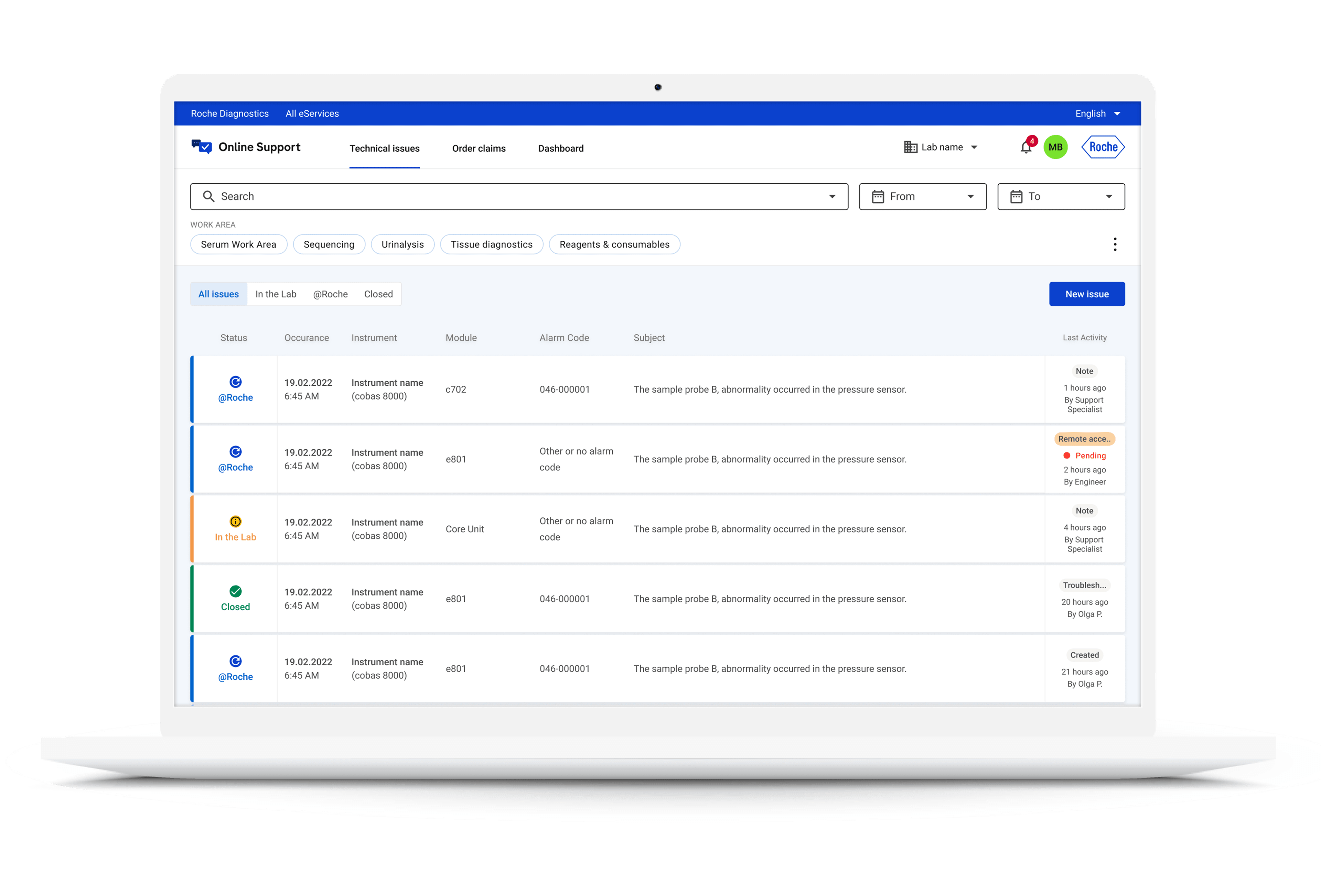
Roche offers centralized customer support for all algorithms in our portfolio to ensure consistency and reliability. We manage issues that arise for all hosted algorithms, streamlining the process and eliminating the need for customers to engage with individual providers.
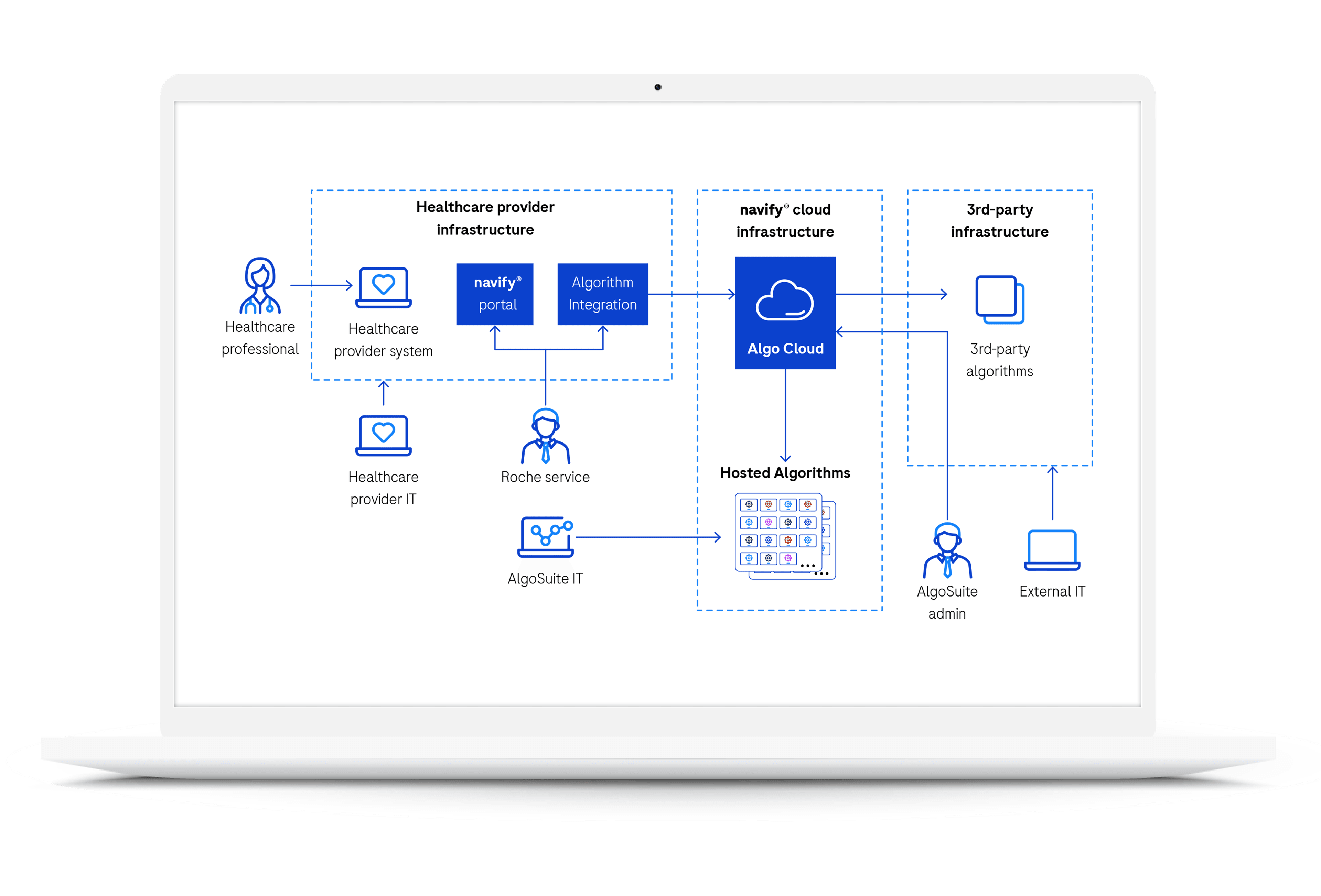
Security and data privacy are central to Roche's operations, founded on a "Security and Privacy by Design" philosophy and ISO/IEC 27001 certification. Our dedicated technical team performs ongoing risk assessments, penetration tests, and network monitoring to minimize IT complexity and vulnerabilities, prioritizing data confidentiality to protect patient information across all partners.
If you don’t find answers to your questions here, we’re happy to provide more information and discuss your needs in detail.

At Roche Diagnostics, we understand the need to go beyond our products and see the bigger picture, creating a world where product and services come together. Roche Service Solutions refers to our service offering and encompasses our full service portfolio. Our total solution package means we can provide you with the personalised mix of products and services you need. Our digital services enable you to quickly connect with us and help make your life more manageable.